AS
AS
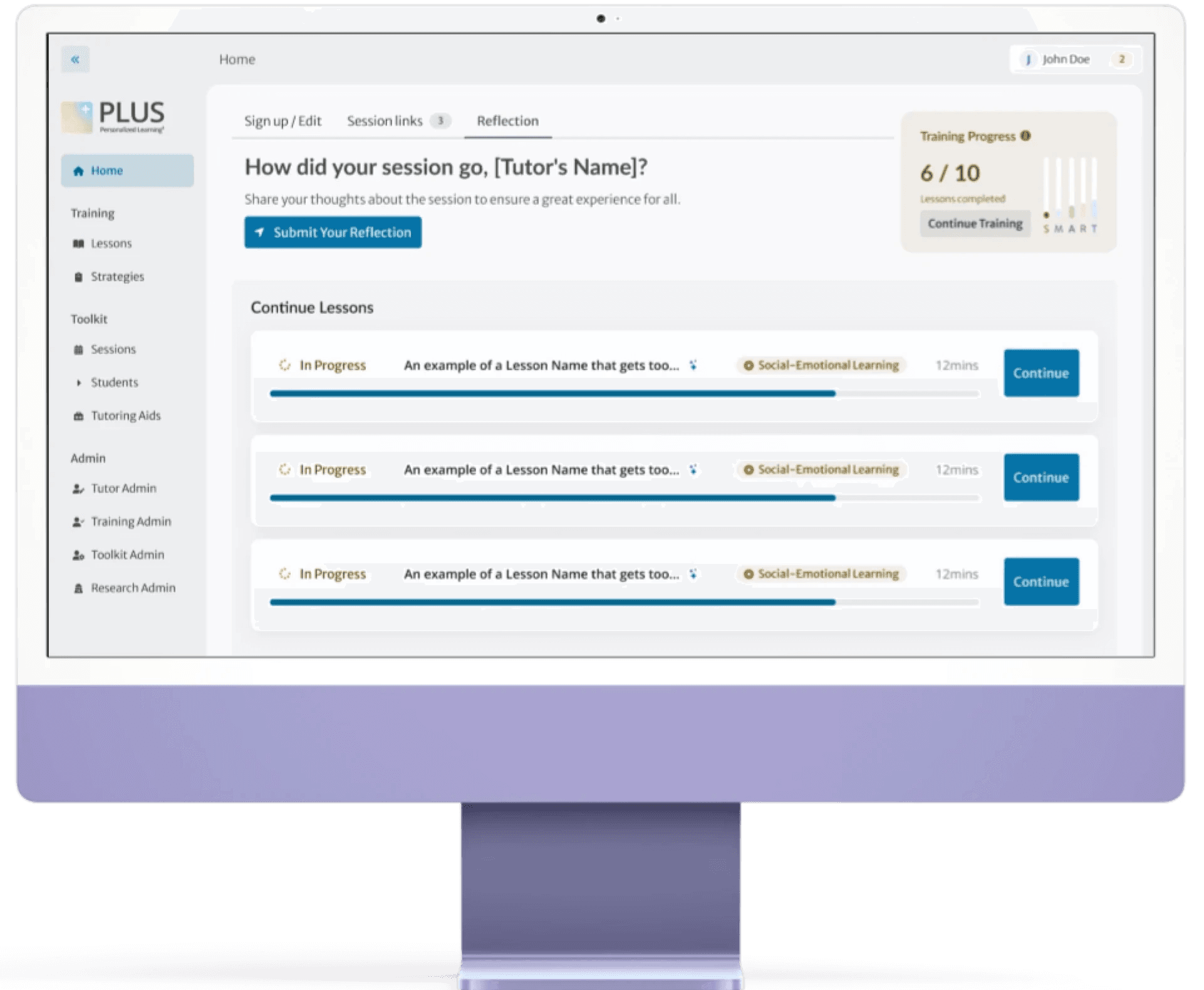

Leading initiatives to strengthen the PLUS design system
Component design, accessibility checks, cultural support, and brand revamp

Strengthening the PLUS design system
Leading the revamp of the PLUS design system
Role + Team
Role + Team
Design Systems Lead on a subteam of 4 designers (Yiyang Zhang, Megan Chai, and Jasmine Kim)
Design Systems Lead on a subteamteam of 4 designers
Design Systems Lead on a subteam of 4 designers (Yiyang Zhang, Megan Chai, and Jasmine Kim)
Client
Client
PLUS, a tutoring platform supporting 3k+ students and 500+ tutors with 10k+ hours of learning annually
PLUS, a tutoring platform supporting 3k+ students and 500+ tutors with 10k+ hours of learning annually
PLUS, a tutoring platform supporting 3k+ students and 500+ tutors with 10k+ hours of learning annually
Project Goal
Goal
Enhance the design system to enhance designer consistency, engineering efficiency and the PLUS brand voice
Enhance the design system to enhance designer consistency, engineering efficiency and the PLUS brand voice
Enhance the design system to enhance designer consistency, engineering efficiency and the PLUS brand voice
PLUS is a learning platform that connects 3,000 students with 500+ tutors to provide 10k+ hours of learning a year.
PLUS is a learning platform that connects 3,000 students with 500+ tutors to provide 10k+ hours of learning a year.
PLUS is a learning platform that connects 3,000 students with 500+ tutors to provide 10k+ hours of learning a year.
As the platform quickly scaled and onboarded 10+ new designers a year, its design system began to show cracks that were slowing the team down.
As the platform quickly scaled and onboarded 10+ new designers a year, its design system began to show cracks that were slowing the team down.
As the platform quickly scaled and onboarded 10+ new designers a year, its design system began to show cracks that were slowing the team down.
Components were duplicated across products
Components were duplicated across products
Components were duplicated across products
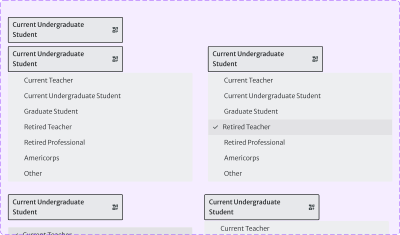
Gaps in functionality made designers feel constrained
Gaps in functionality made designers feel constrained
Gaps in functionality made designers feel constrained
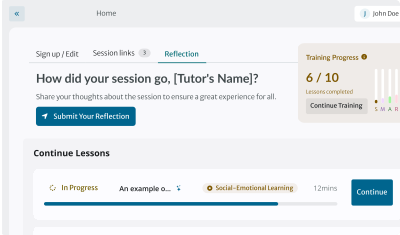
Color was implemented incorrectly and inconsistently by designers
Inconsistent color implementation
Color was implemented incorrectly and inconsistently by designers
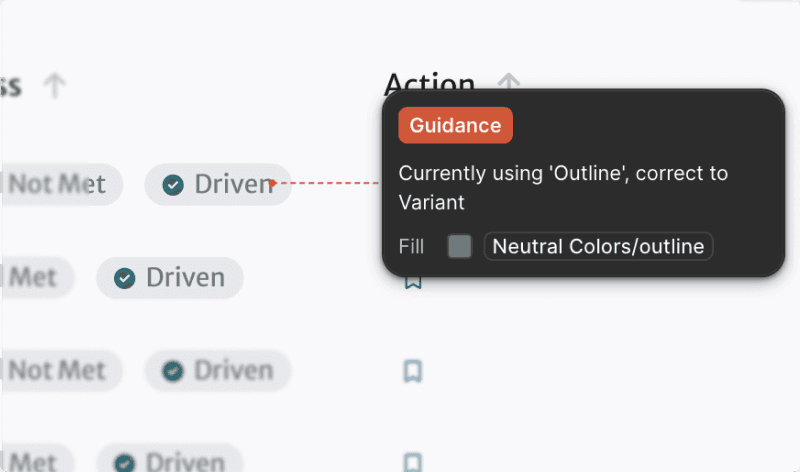
Colors didn’t reflect the platform's values and branding
Colors didn’t reflect the platform's values and branding
Colors didn’t reflect the platform's values and branding

As a Design Systems Lead, I led a series of five initiatives to unify PLUS's component library into a cohesive design system used across 4 product pillars.
As a Design Systems Lead, I led a series of five initiatives to unify PLUS's component library into a cohesive design system used across 4 product pillars.
As a Design Systems Lead, I led a series of five initiatives to unify PLUS's component library into a cohesive design system used across 4 product pillars.
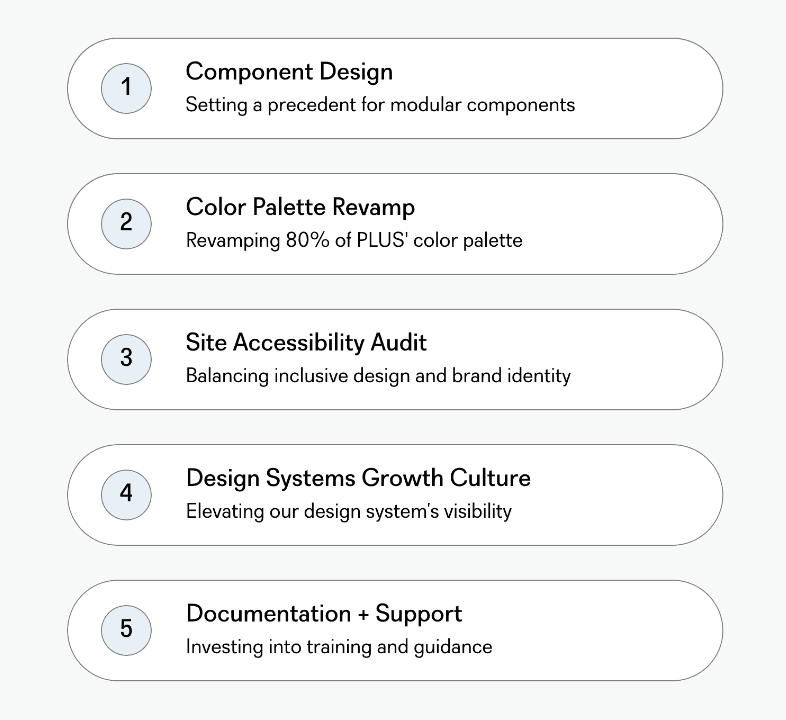
1
Component Design
Setting a precedent for modular component
2
Color Palette Revamp
Updating 80% of PLUS' color palette
3
Site Accessibility Audit
Balancing inclusive design and brand identity
4
Design Systems Growth Culture
Elevating our design system’s visibility within the team
5
Documentation + Support
Investing into training and guidance
Initiative One
Initiative One
Initiative One
Component Design: Setting a precedent for modular components.
Component Design: Setting a precedent for modular components.
Component Design: Setting a precedent for modular components.
Most PLUS components were not flexible enough to adapt to varied use cases.
This meant that different teams were making slightly different version of similar components over and over again, increasing design debt and development time.
Most PLUS components were not flexible enough to adapt to varied use cases.
This meant that different teams were making slightly different version of similar components over and over again, increasing design debt and development time.
Most PLUS components were not flexible enough to adapt to varied use cases.
This meant that different teams were making slightly different version of similar components over and over again, increasing design debt and development time.
3 of 9 instances of a duplicated component
3 of 9 instances of a duplicated component

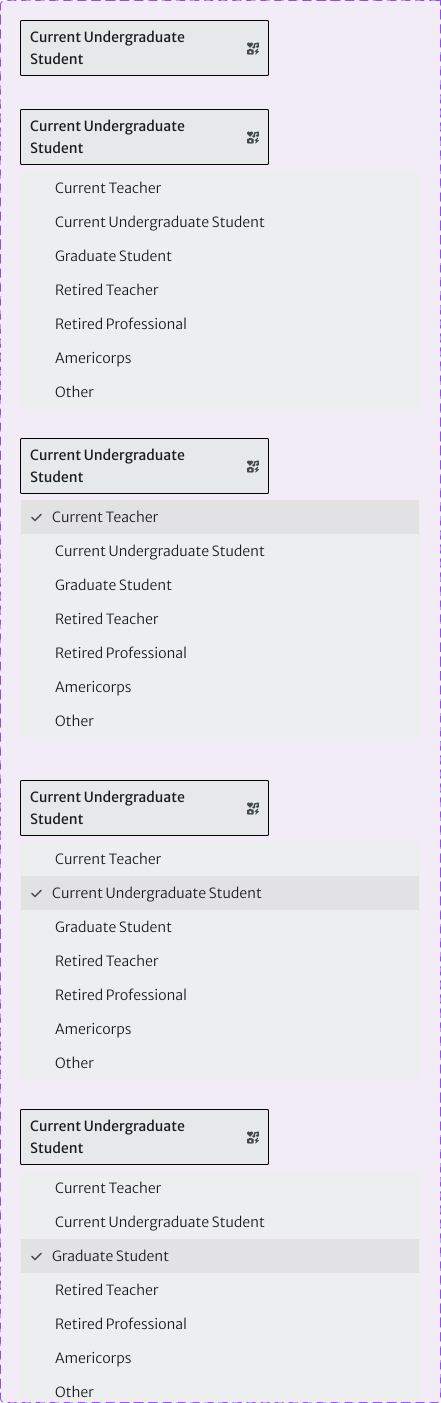
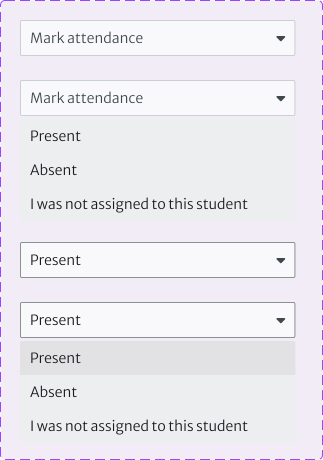
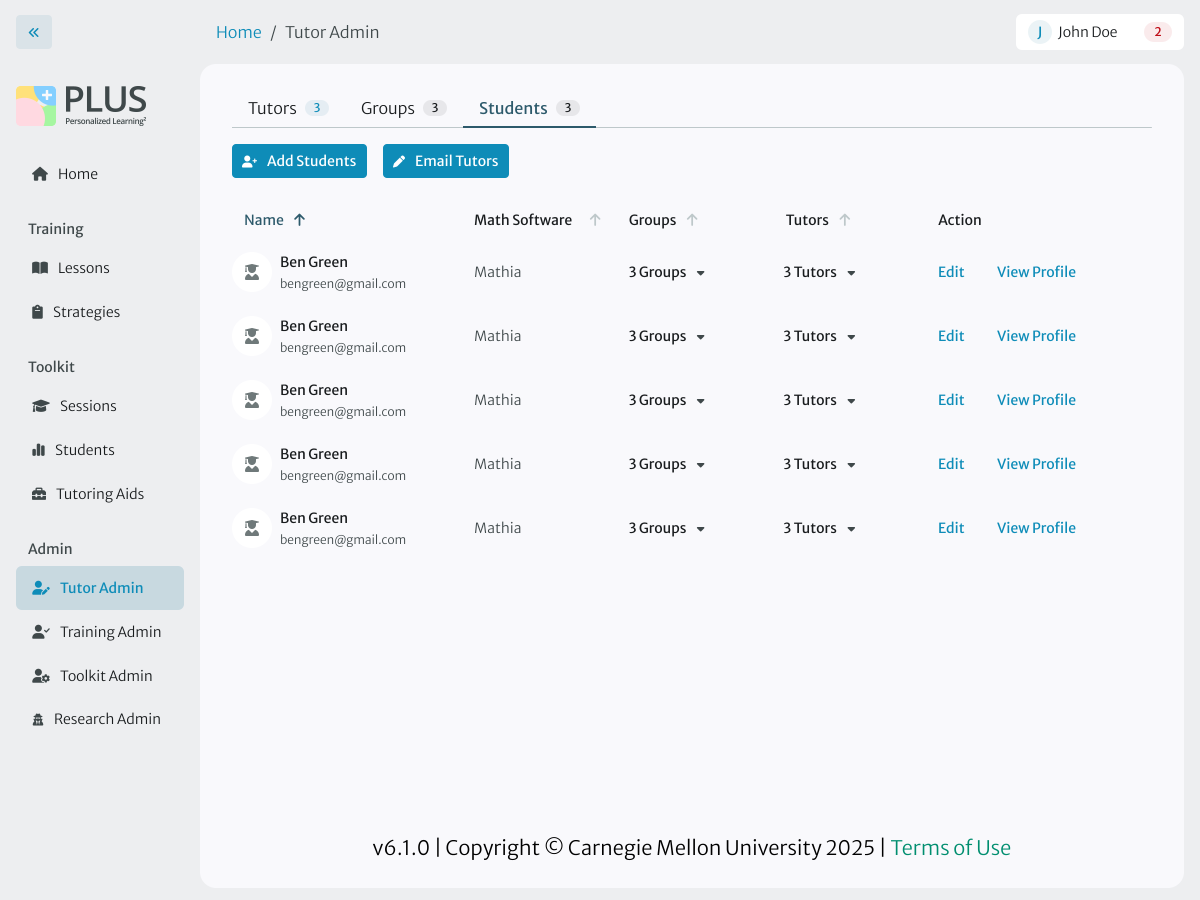
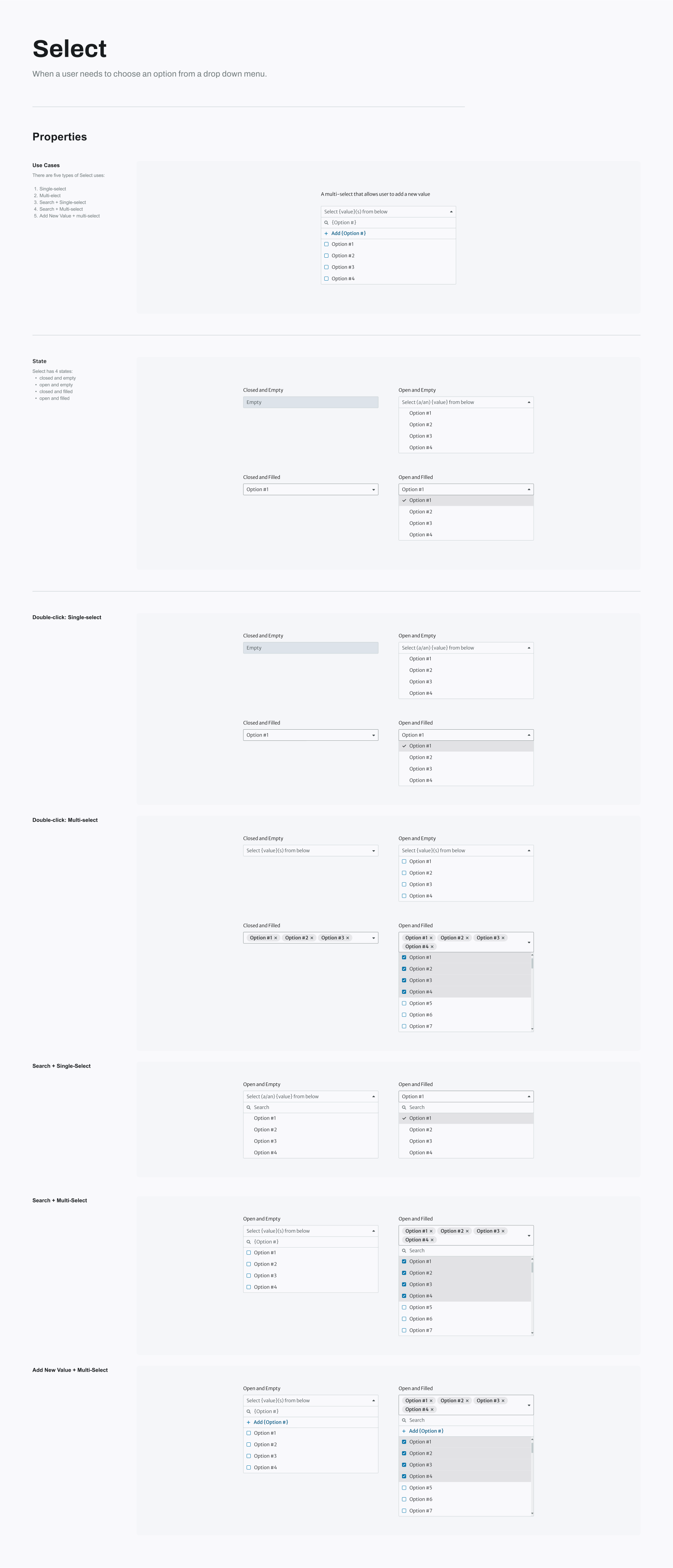
I created a modular component that leveraged variables to cover the diverse use cases of a SELECT dropdown.
This was the most modular component that PLUS had shipped, and would serve as an example for future components.
I created a modular component that leveraged variables to cover the diverse use cases of a SELECT dropdown. This was the most modular component that PLUS had shipped, and would serve as an example for future components.
I created a modular component that leveraged variables to cover the diverse use cases of a SELECT dropdown.
This was the most modular component that PLUS had shipped, and would serve as an example for future components.
A peek into the component's structure
A peek into the component's structure

With the new SELECT component, we reduced design debt of the select component use from 9 instances to 1, saving engineers hours in component development.
With the new SELECT component, we reduced design debt of the select component use from 9 instances to 1, saving engineers hours in component development.
With the new SELECT component, we reduced design debt of the select component use from 9 instances to 1, saving engineers hours in component development.
Initiative Two
Initiative Two
Initiative Two
Color Palette Revamp: Revamping 80% of PLUS' color palette.
Color Palette Revamp: Revamping 80% of PLUS' color palette.
Color Palette Revamp: Revamping 80% of PLUS' color palette.
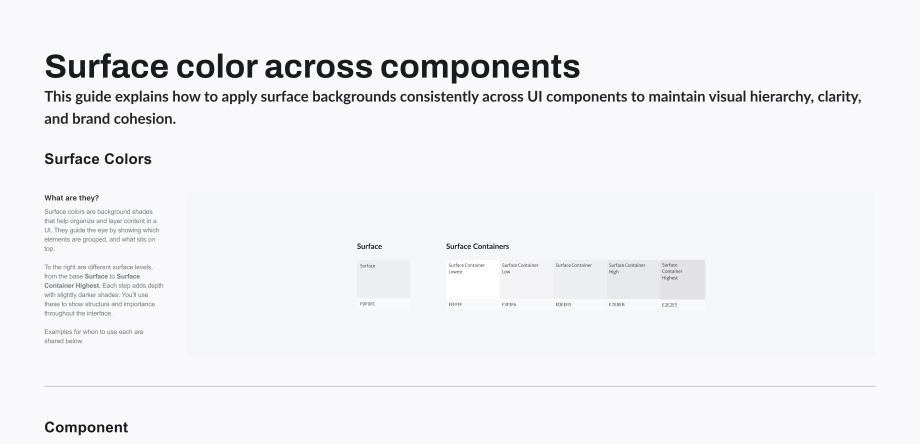
One of the most critical gaps for the design system was its color palette. After a thorough audit of how color was being applied across products, I noted three recurring challenges:
There was no clear hierarchy between primary and secondary colors
Colors were not used according to their intended function
Some colors were assigned too many functions, confusing designers
One of the most critical gaps for the design system was its color palette. After a thorough audit of how color was being applied across products, I noted three recurring challenges:
There was no clear hierarchy between primary and secondary colors
Colors were not used according to their intended function
Some colors were assigned too many functions, confusing designers
One of the most critical gaps for the design system was its color palette. After a thorough audit of how color was being applied across products, I noted three recurring challenges:
There was no clear hierarchy between primary and secondary colors
Colors were not used according to their intended function
Some colors were assigned too many functions, confusing designers
Colors were competing for hierarchy
Colors were competing for hierarchy
Colors were competing for hierarchy

Colors were not used according to their intended function
Colors were not used according to their intended function
Colors were not used according to their intended function
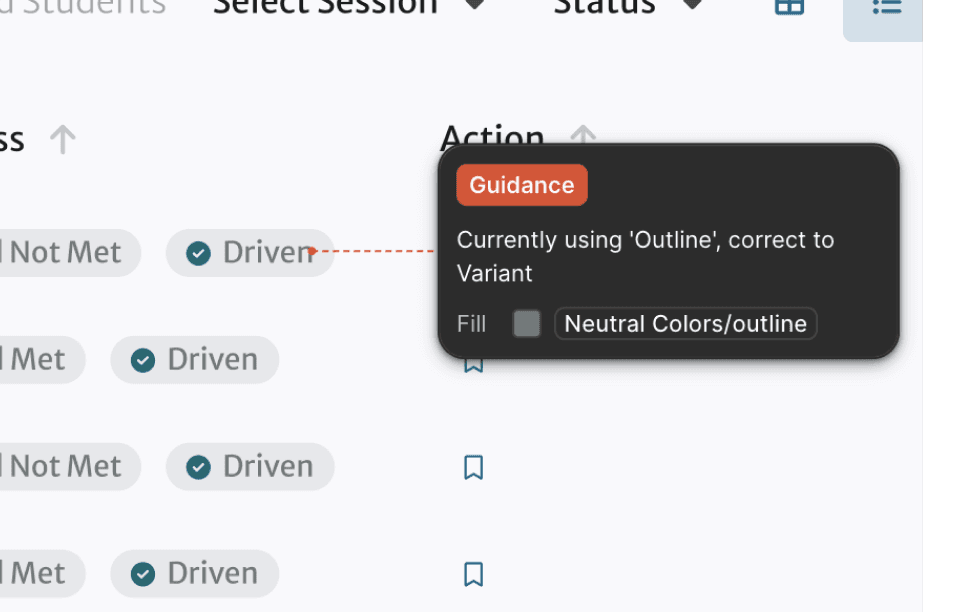
Colors were duplicated in the palette, causing confusion
Colors were duplicated in the palette, causing confusion
Colors were duplicated in the palette, causing confusion
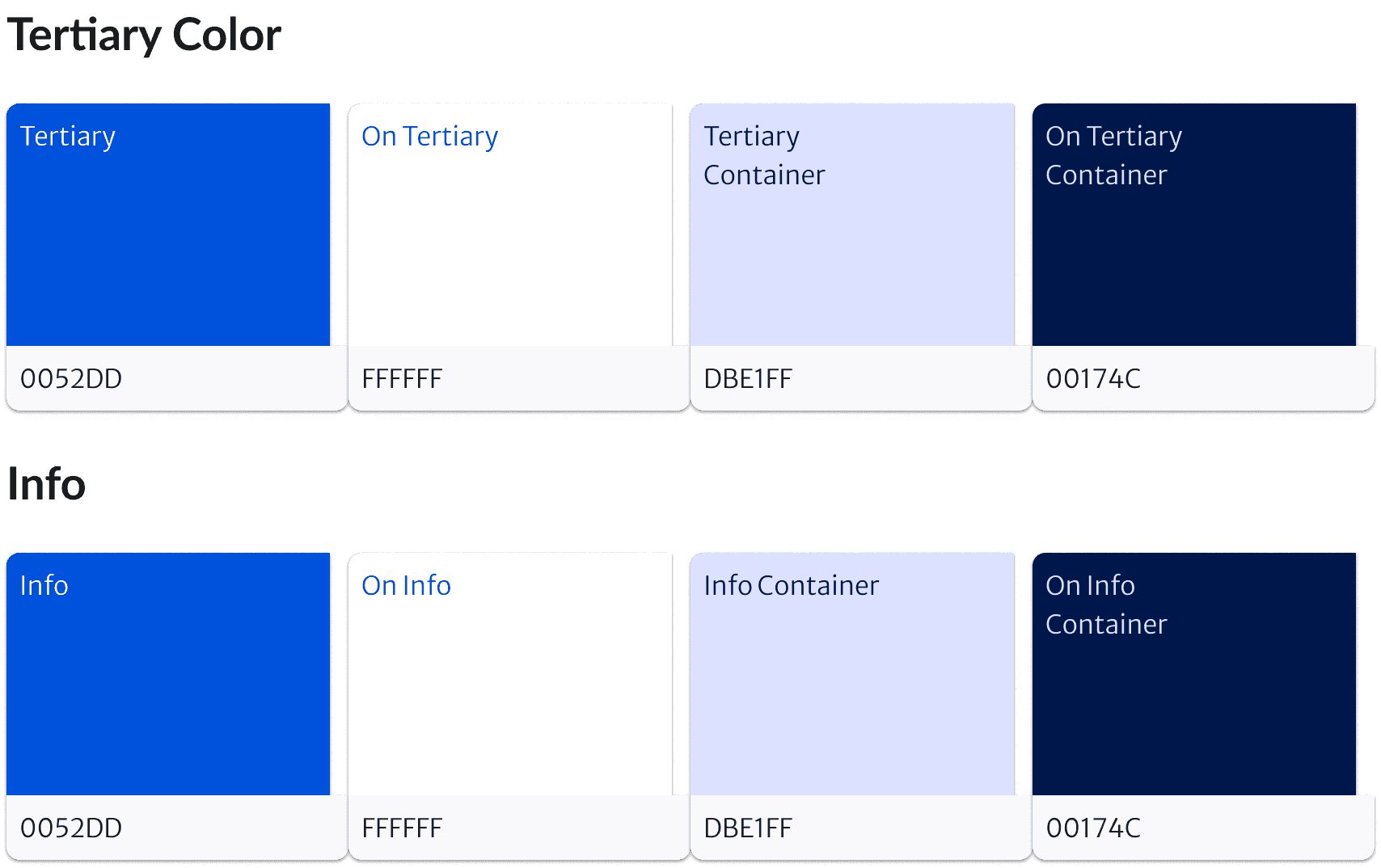
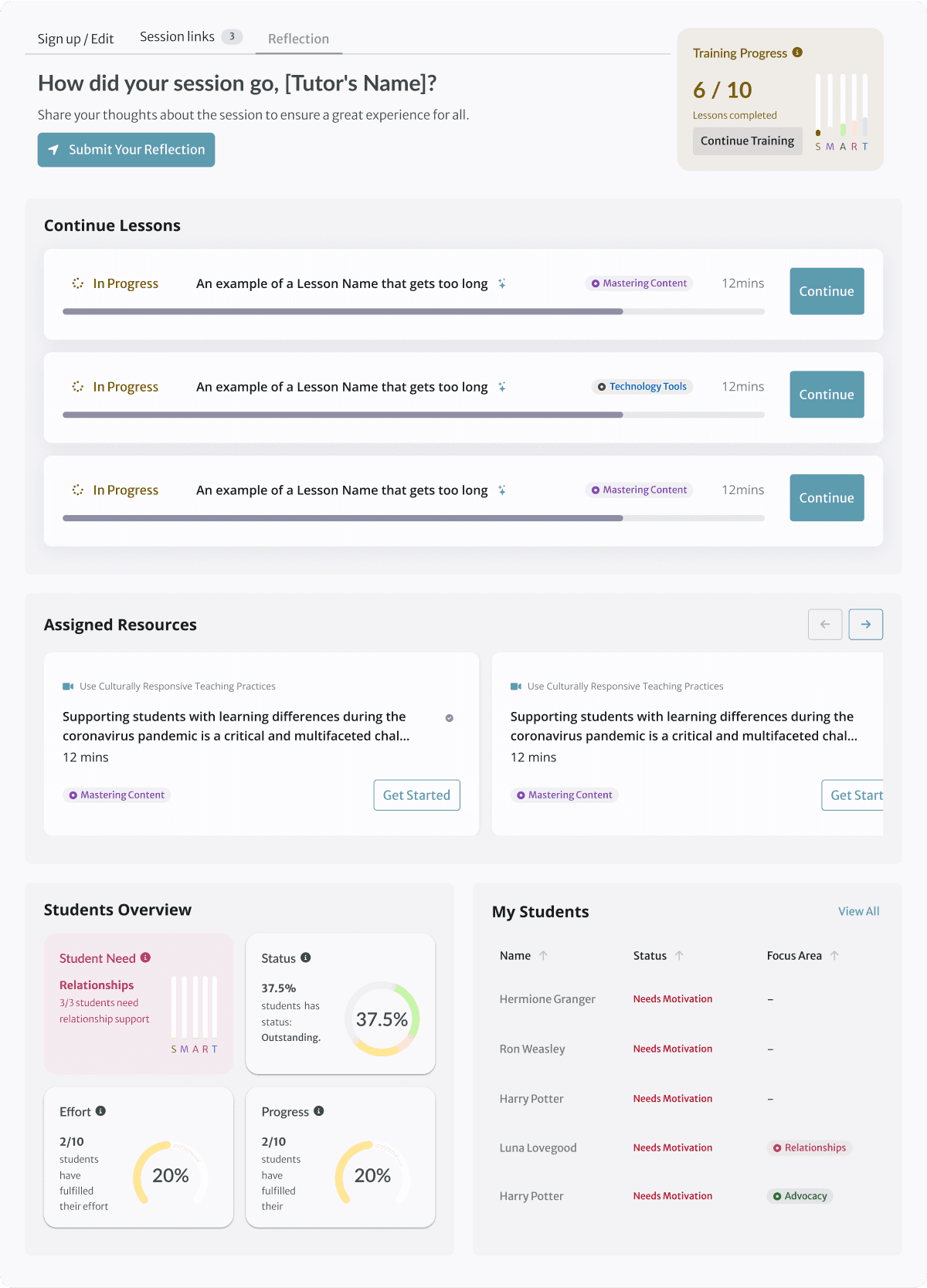
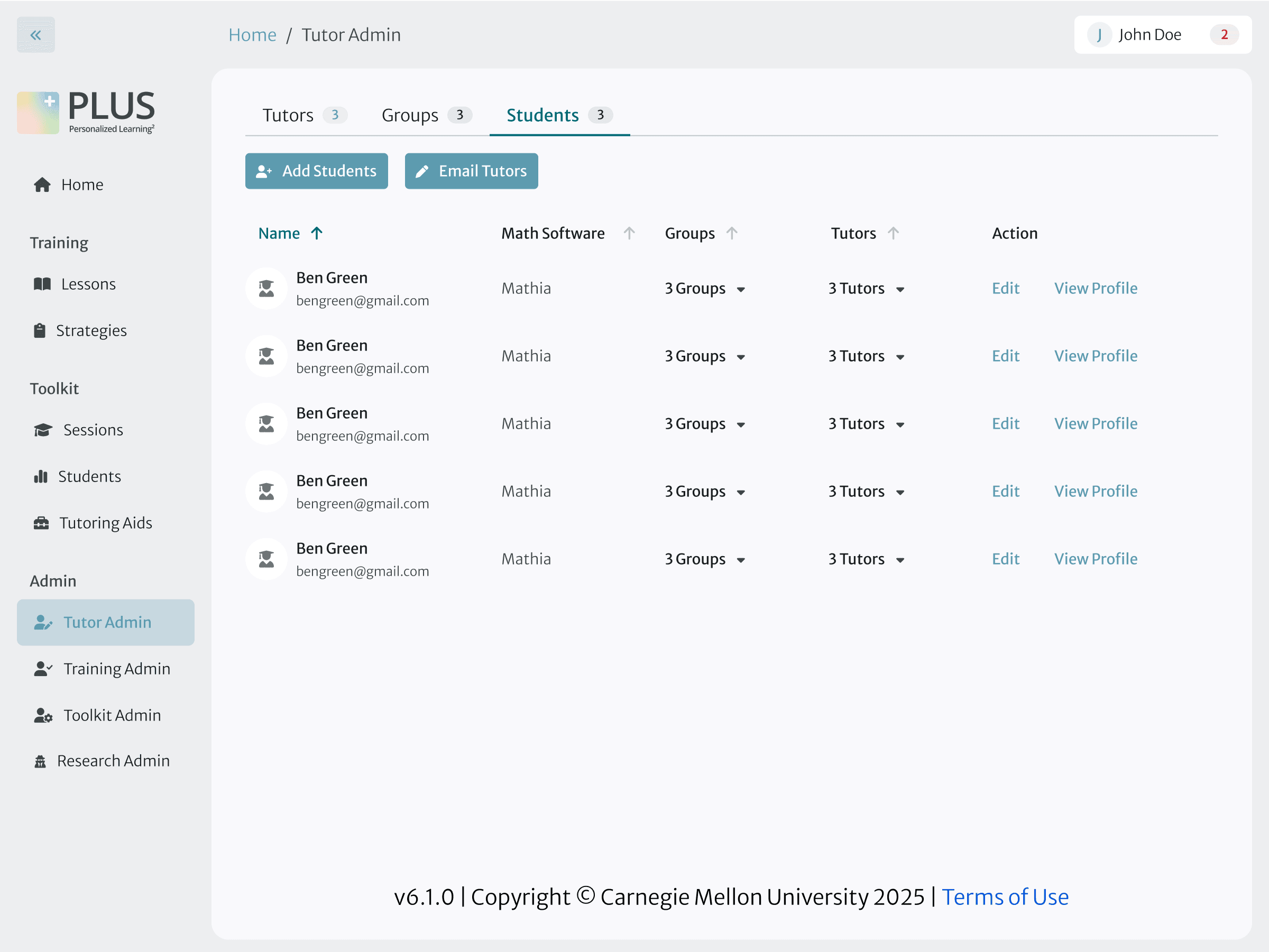
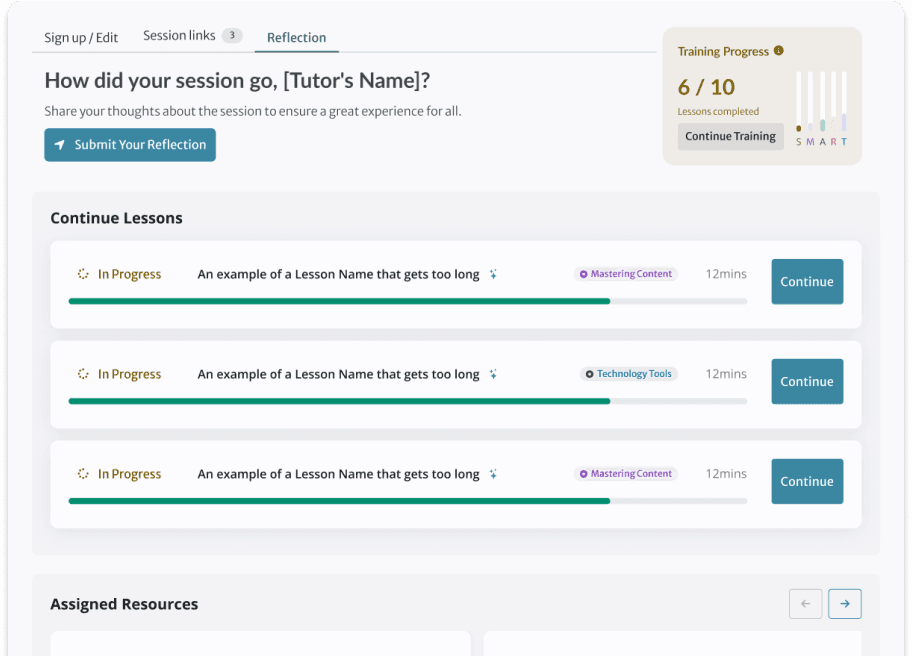
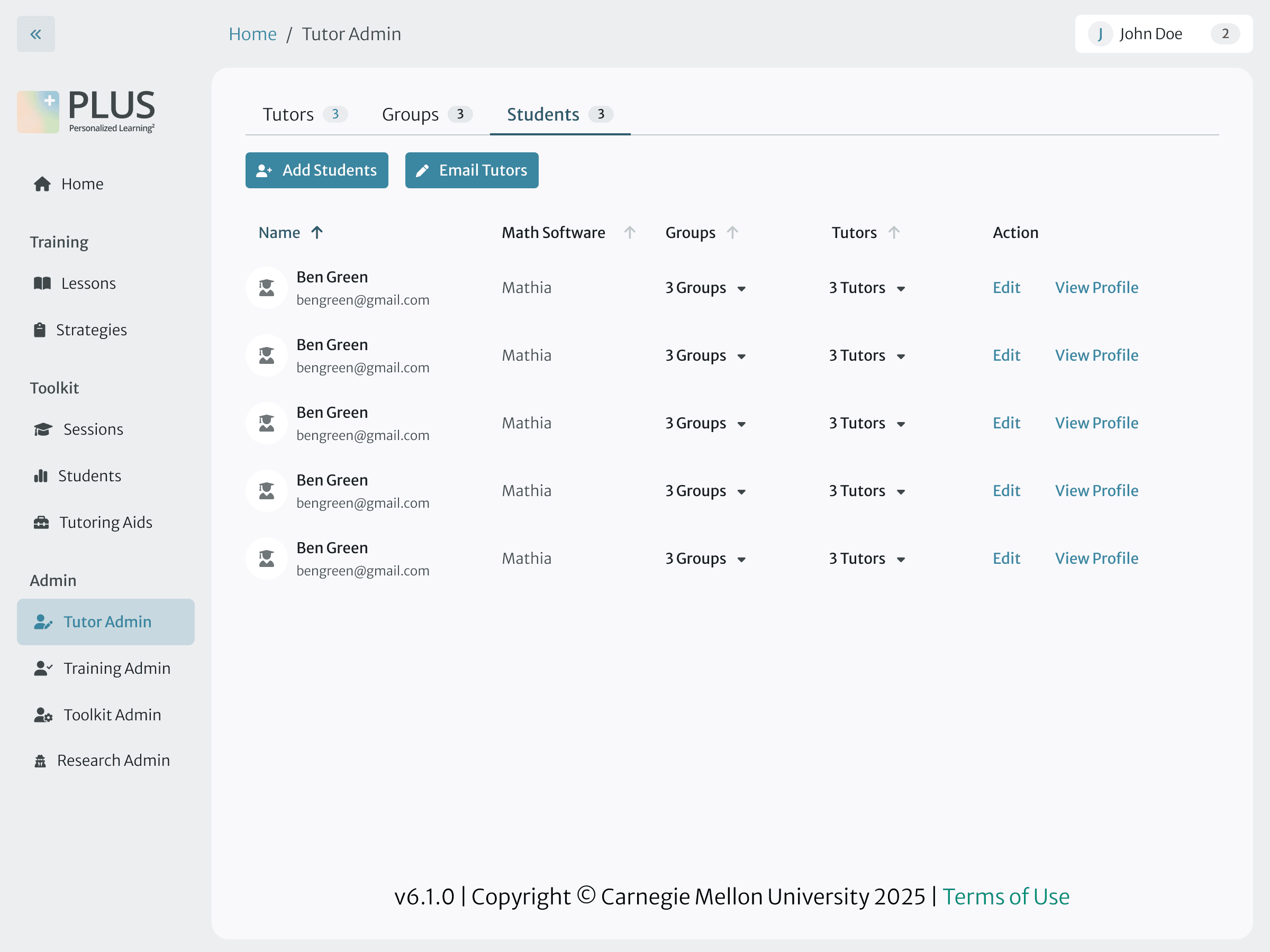
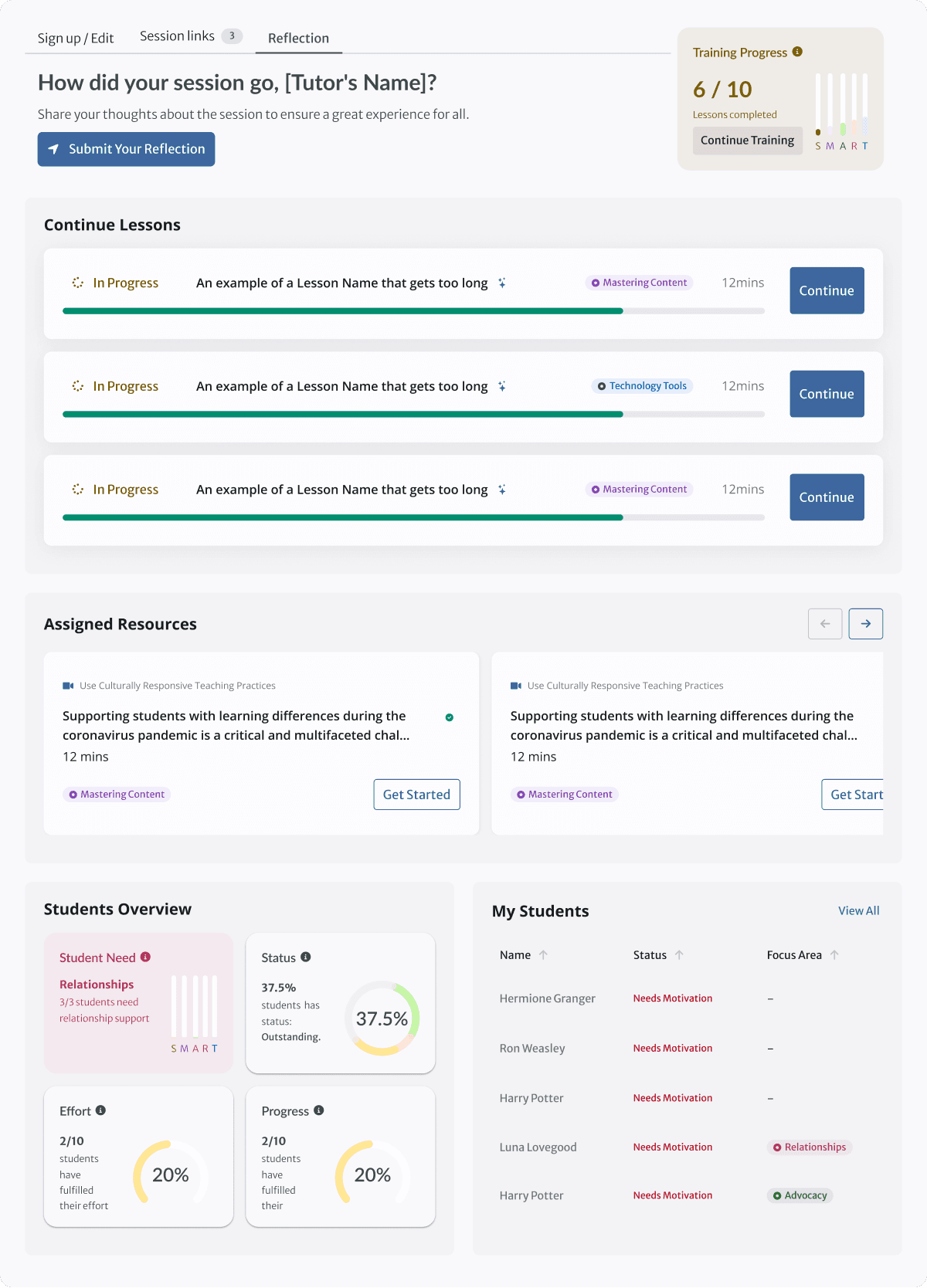
To begin solving these pain points, we started with a palette update. I brainstormed a variety of color palettes leveraging AI tools, which enabled me to output a wide set of options quickly.
Then, I evaluated options across key UI screens for brand alignment, accessibility, and designer buy-in.
To begin solving these pain points, we started with a palette update. I brainstormed a variety of color palettes leveraging AI tools, which enabled me to output a wide set of options quickly.
Then, I evaluated options across key UI screens for brand alignment, accessibility, and designer buy-in.
To begin solving these pain points, we started with a palette update. I brainstormed a variety of color palettes leveraging AI tools, which enabled me to output a wide set of options quickly.
Then, I evaluated options across key UI screens for brand alignment, accessibility, and designer buy-in.
Palette One
#5D9BAF
#869398
#8E8FA5
Palette Two
#5D9BAF
2D5A6B
#008E6F
Palette Three
#3C669D
#384858
#008E6F
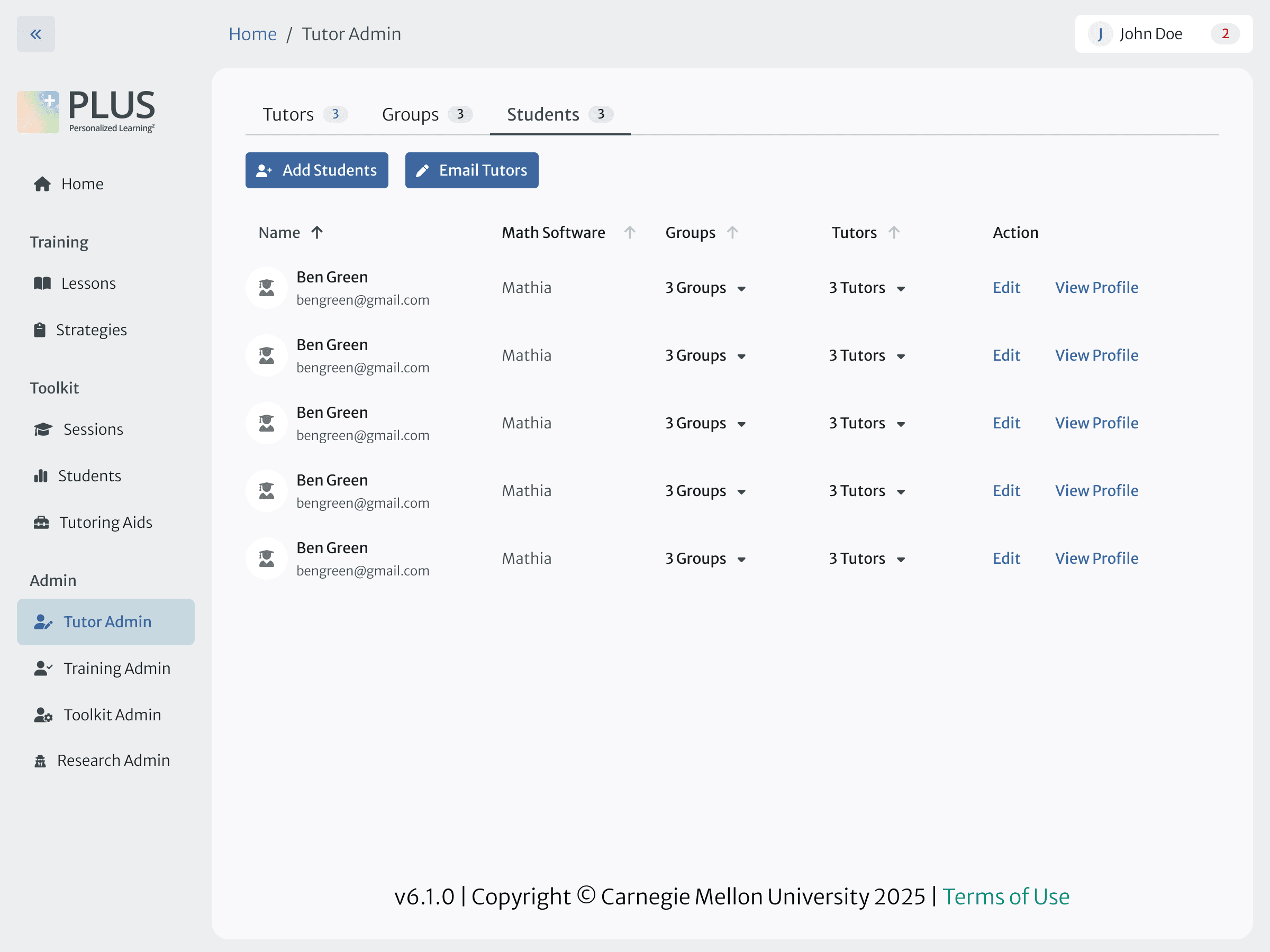
Palette Four
#0E8CB8
#2D5A6B
#008E6F
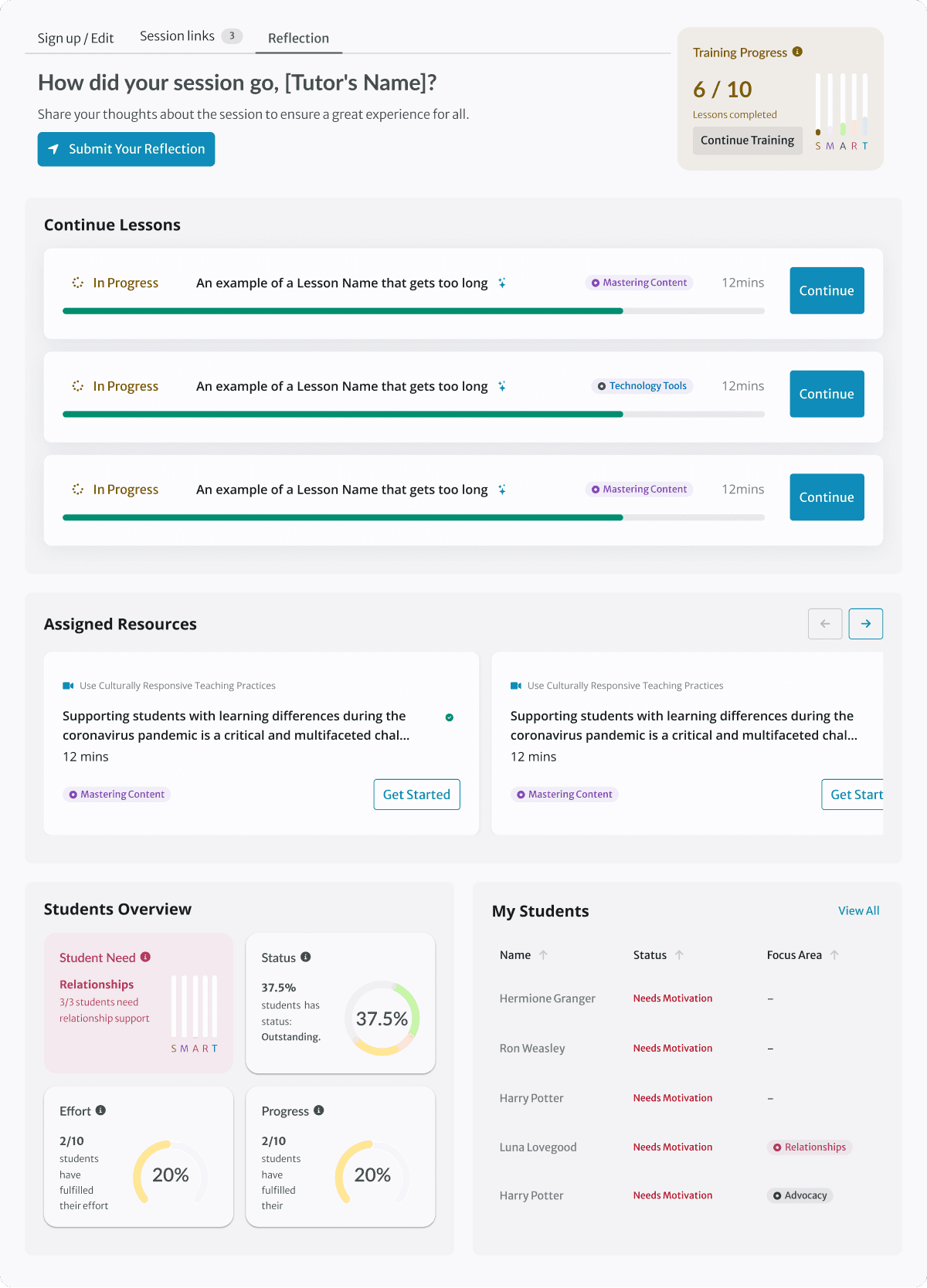
Palette One
#5D9BAF
#869398
#8E8FA5
Palette Two
#5D9BAF
2D5A6B
#008E6F
Palette Three
#3C669D
#384858
#008E6F
Palette Four
#0E8CB8
#2D5A6B
#008E6F
Palette One
#5D9BAF
#869398
#8E8FA5
Palette Two
#5D9BAF
2D5A6B
#008E6F
Palette Three
#3C669D
#384858
#008E6F
Palette Four
#0E8CB8
#2D5A6B
#008E6F
Palette One
#5D9BAF
#869398
#8E8FA5
Palette Two
#5D9BAF
2D5A6B
#008E6F
Palette Three
#3C669D
#384858
#008E6F
Palette Four
#0E8CB8
#2D5A6B
#008E6F
Palette One
#5D9BAF
#869398
#8E8FA5
Palette Two
#5D9BAF
2D5A6B
#008E6F
Palette Three
#3C669D
#384858
#008E6F
Palette Four
#0E8CB8
#2D5A6B
#008E6F
Palette One
#5D9BAF
#869398
#8E8FA5
Palette Two
#5D9BAF
2D5A6B
#008E6F
Palette Three
#3C669D
#384858
#008E6F
Palette Four
#0E8CB8
#2D5A6B
#008E6F
Palette One
#5D9BAF
#869398
#8E8FA5
Palette Two
#5D9BAF
2D5A6B
#008E6F
Palette Three
#3C669D
#384858
#008E6F
Palette Four
#0E8CB8
#2D5A6B
#008E6F
Palette One
#5D9BAF
#869398
#8E8FA5
Palette Two
#5D9BAF
2D5A6B
#008E6F
Palette Three
#3C669D
#384858
#008E6F
Palette Four
#0E8CB8
#2D5A6B
#008E6F
Palette One
#5D9BAF
#869398
#8E8FA5
Palette Two
#5D9BAF
2D5A6B
#008E6F
Palette Three
#3C669D
#384858
#008E6F
Palette Four
#0E8CB8
#2D5A6B
#008E6F
Palette One
#5D9BAF
#869398
#8E8FA5
Palette Two
#5D9BAF
2D5A6B
#008E6F
Palette Three
#3C669D
#384858
#008E6F
Palette Four
#0E8CB8
#2D5A6B
#008E6F
Palette One
#5D9BAF
#869398
#8E8FA5
Palette Two
#5D9BAF
2D5A6B
#008E6F
Palette Three
#3C669D
#384858
#008E6F
Palette Four
#0E8CB8
#2D5A6B
#008E6F
Palette One
#5D9BAF
#869398
#8E8FA5
Palette Two
#5D9BAF
2D5A6B
#008E6F
Palette Three
#3C669D
#384858
#008E6F
Palette Four
#0E8CB8
#2D5A6B
#008E6F
After collaborating with the design team to evaluate our options and reach alignment, I updated 80% of our color palette.
This simplification cascaded down to our atomic-level components, allowing us to eliminate over 200 redundant component, significantly reducing design inconsistencies and cutting wasted development time.
After collaborating with the design team to evaluate our options and reach alignment, I updated 80% of our color palette.
This simplification cascaded down to our atomic-level components, allowing us to eliminate over 200 redundant component, significantly reducing design inconsistencies and cutting wasted development time.
After collaborating with the design team to evaluate our options and reach alignment, I updated 80% of our color palette.
This simplification cascaded down to our atomic-level components, allowing us to eliminate over 200 redundant component, significantly reducing design inconsistencies and cutting wasted development time.


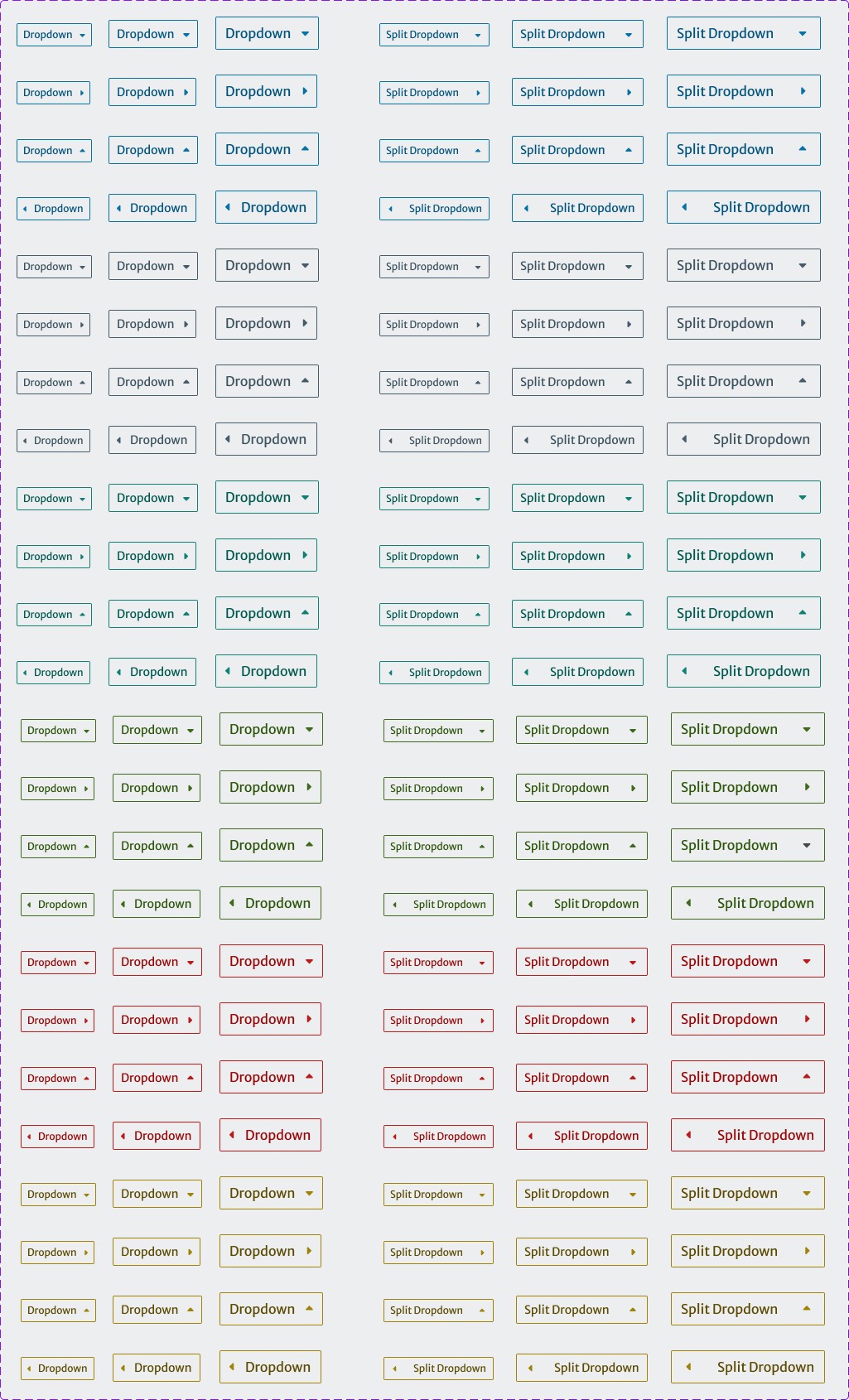

Simplifying our palette meant simplifying our components at the atomic level, cutting over 200 components to reduce design errors and redundant development time.
Initiative Three
Initiative Three
Initiative Three
Accessibility Audits: Balancing inclusive design and our young brand identity.
Accessibility Audits: Balancing inclusive design and our young brand identity.
Accessibility Audits: Balancing inclusive design and our young brand identity.
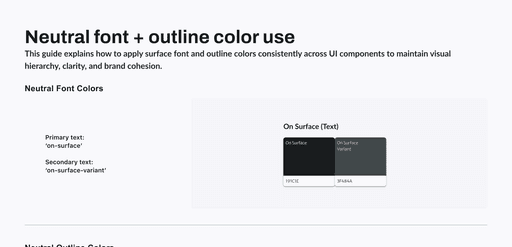
During a comprehensive audit of our design system and new color palette, I discovered we were failing to consistently meet AA accessibility standards. The challenge was that palettes meeting AA compliance required sacrificing our lighter color options.
To solve this, I introduced a new variable called 'Text' for each color in our palette—enabling us to refresh our visual identity while maintaining full AA accessibility compliance.
During a comprehensive audit of our design system and new color palette, I discovered we were failing to consistently meet AA accessibility standards. The challenge was that palettes meeting AA compliance required sacrificing our lighter color options.
To solve this, I introduced a new variable called 'Text' for each color in our palette—enabling us to refresh our visual identity while maintaining full AA accessibility compliance.
During a comprehensive audit of our design system and new color palette, I discovered we were failing to consistently meet AA accessibility standards. The challenge was that palettes meeting AA compliance required sacrificing our lighter color options.
To solve this, I introduced a new variable called 'Text' for each color in our palette—enabling us to refresh our visual identity while maintaining full AA accessibility compliance.
🆕
🆕
🆕
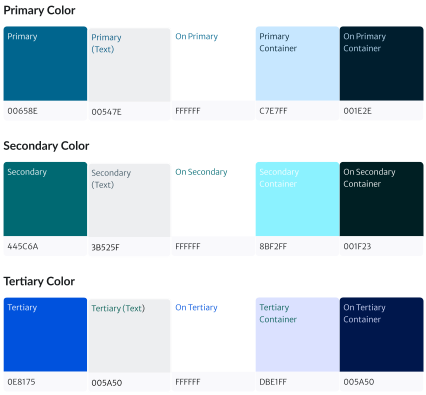
The new 'Text' variants ensure all typography meets WCAG AA standards while preserving our vibrant brand colors for backgrounds and UI elements.
The new 'Text' variants ensure all typography meets WCAG AA standards while preserving our vibrant brand colors for backgrounds and UI elements.
The new 'Text' variants ensure all typography meets WCAG AA standards while preserving our vibrant brand colors for backgrounds and UI elements.
Initiative Four
Initiative Four
Initiative Four
Design Systems Growth Culture: Elevating our design system’s visibility.
Design Systems Growth Culture: Elevating our design system’s visibility.
Design Systems Growth Culture: Elevating our design system’s visibility.
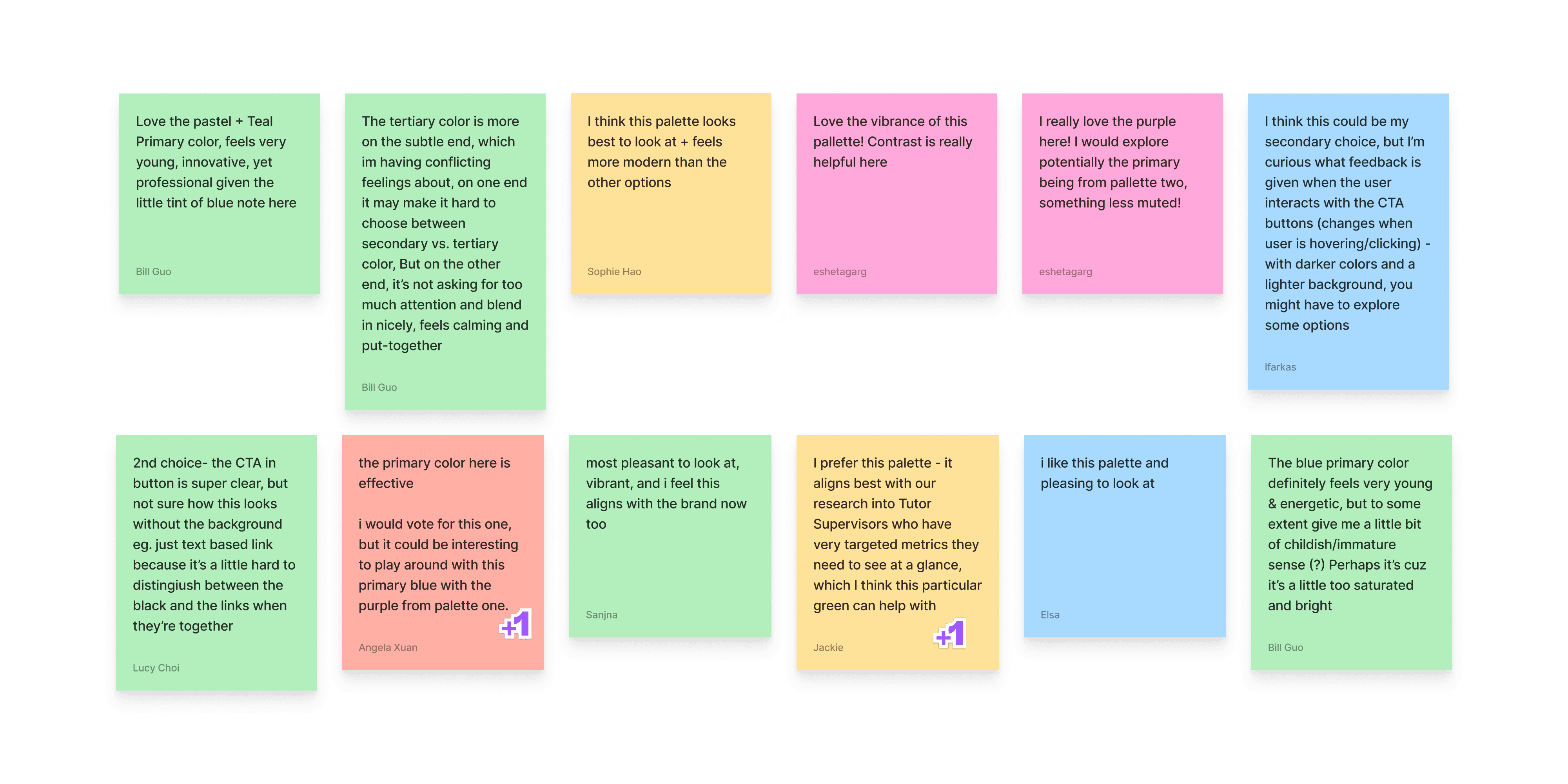
One way to ensure designers were on board with our updates was to include them in the decision process. I led two share-outs with the design team and facilitated a workshop where all designers helped choose our new palette.
One way to ensure designers were on board with our updates was to include them in the decision process. I led two share-outs with the design team and facilitated a workshop where all designers helped choose our new palette.
One way to ensure designers were on board with our updates was to include them in the decision process. I led two share-outs with the design team and facilitated a workshop where all designers helped choose our new palette.
Initiative Five
Initiative Five
Initiative Five
Documentation + Support: Investing into training and guidance.
Documentation + Support: Investing into training and guidance.
Documentation + Support: Investing into training and guidance.
With new components, a refined color system, and improved accessibility in place, the final step was ensuring the work could scale across teams and ship smoothly.
I achieved this through comprehensive documentation that bridged the gap between design and development, explaining each update in language relevant to both teams.
With new components, a refined color system, and improved accessibility in place, the final step was ensuring the work could scale across teams and ship smoothly.
I achieved this through comprehensive documentation that bridged the gap between design and development, explaining each update in language relevant to both teams.
With new components, a refined color system, and improved accessibility in place, the final step was ensuring the work could scale across teams and ship smoothly.
I achieved this through comprehensive documentation that bridged the gap between design and development, explaining each update in language relevant to both teams.

Impact: Designing for scalability, accessibility, and efficiency.
Impact: Designing for scalability, accessibility, and efficiency.
Impact: Designing for scalability, accessibility, and efficiency.
Through the five projects, I was able to make a valuable impact on the entire platform, demonstrating the importance of system’s thinking and cultural support for design.
Through the five projects, I was able to make a valuable impact on the entire platform, demonstrating the importance of system’s thinking and cultural support for design.
Through the five projects, I was able to make a valuable impact on the entire platform, demonstrating the importance of system’s thinking and cultural support for design.

redeuced duplicated component usage from 9 instances to 1
redeuced duplicated component usage from 9 instances to 1

20% improvement in AA text compliance
20% improvement in AA text compliance

2 teammates mentored on design systems
2 teammates mentored on design systems

reduction in component bloat through clear color guidelines
reduction in component bloat through clear color guidelines

reduced designer onboarding times and errors through defined token scopes
reduced designer onboarding times and errors through defined token scopes

increased designer engagement in design systems growth and maintenance
increased designer engagement in design systems growth and maintenance
redeuced duplicated component usage from 9 instances to 1
20% improvement in AA text compliance
2 teammates mentored on design systems
reduction in component bloat through clear color guidelines
reduced designer onboarding times and errors through defined token scopes
increased designer engagement in design systems growth and maintenance

Thanks for stopping by!



Thanks for stopping by!
Let's connect?
Thanks for stopping by!
Let's connect?